Polycarbonate Greenhouses: A Practical Reference
Structured information on panel selection, fastening methods, ventilation design, and winter preparation for polycarbonate greenhouses in the Polish climate.
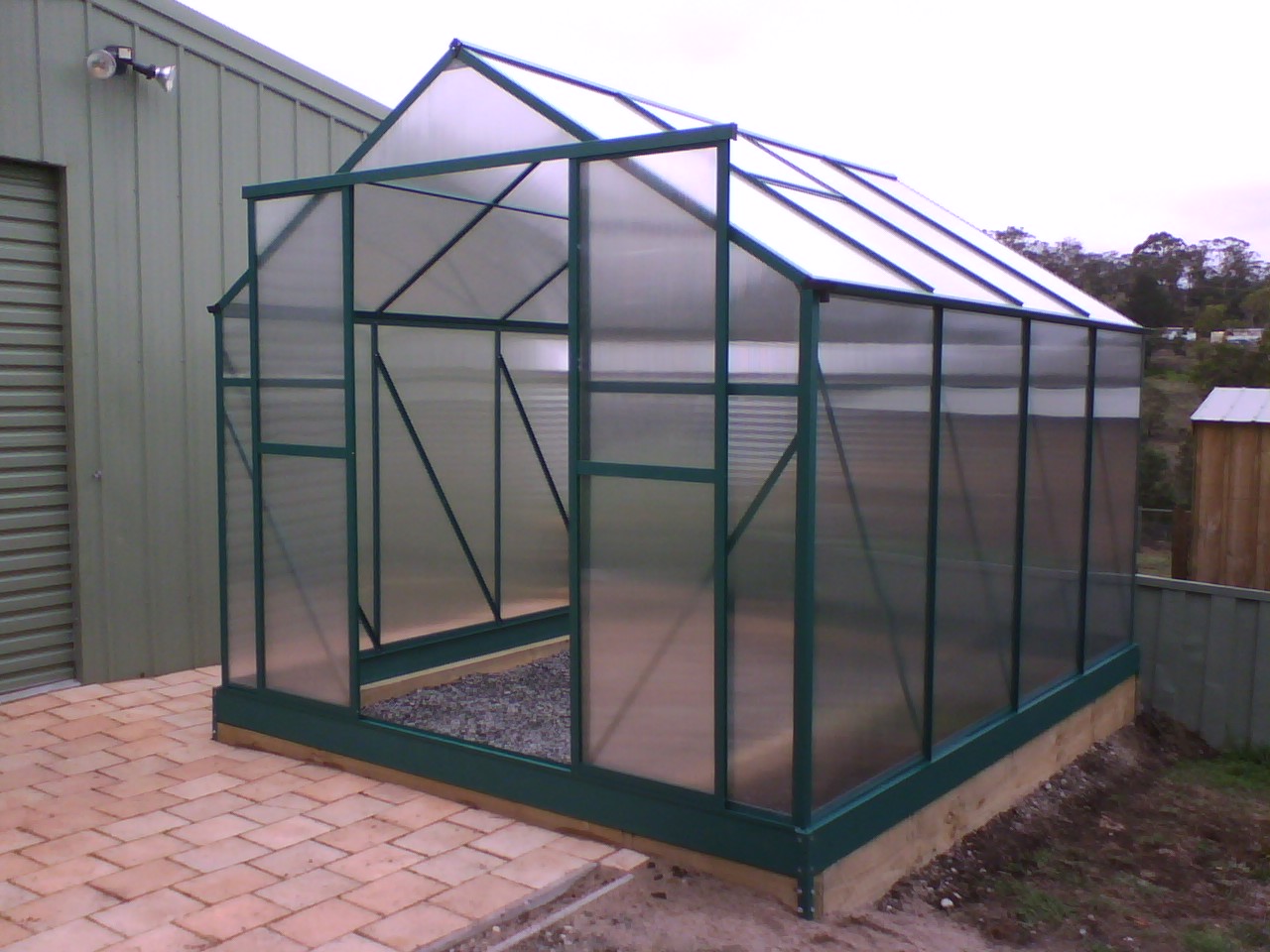
Key Topics
What this site covers
Four main areas of polycarbonate greenhouse management, with attention to conditions specific to central and northern Poland.
Panel Thickness & Grade
How to interpret polycarbonate specifications, compare single-wall to multiwall sheets, and match panel grade to your local frost depth and snow load requirements.
Fastening Systems
Profiles, H-connectors, thermal washers, and sealing methods that allow panels to expand and contract through the 40–50 °C seasonal temperature swing common in Poland.
Ventilation Design
Ridge vent sizing, side ventilation ratios, and passive airflow patterns that keep interior temperatures within range during Polish summer heat spikes.
Winter Preparation
Sealing gaps before first frost, removing snow load safely without panel damage, and which panel orientations resist ice bridging on the gutter line.
UV & Condensation
Which panel face carries the UV-protective coating, how to orient sheets during installation, and managing condensation channels on twin-wall designs.
Structural Frames
Galvanised steel, aluminium, and timber frame options: how each interacts with polycarbonate's thermal expansion and what spacing suits standard sheet widths.
Guides
Recent articles
Each article covers a specific aspect of polycarbonate greenhouse construction or seasonal maintenance.

How to Choose Polycarbonate Sheets for a Greenhouse in Poland
A guide to thickness grades, light transmission values, and UV coating standards relevant to the Polish growing season.
Read guide →
Greenhouse Ventilation: Sizing Ridge Vents and Side Openings
Calculating the vent-to-floor ratio, positioning roof vents for cross-flow, and choosing between manual and automatic openers.
Read guide →
Winter Protection for Polycarbonate Greenhouses in the Polish Climate
Pre-winter checks, snow load management, frost-sealing gaps in profile systems, and panel inspection after the thaw.
Read guide →Context
Why polycarbonate specifically
Glass greenhouses remain common in Poland, but twin-wall and triple-wall polycarbonate has become the dominant material for new construction since the early 2000s for several practical reasons.
Thermal insulation
Twin-wall polycarbonate (8 mm) has a U-value roughly half that of single-pane glass. This matters in central Poland, where overnight temperatures can drop to −15 °C or lower in January and February, and extending the growing season by even a few weeks affects what crops are viable.
Weight and handling
A standard 600 × 210 cm polycarbonate sheet weighs a fraction of equivalent glass. This reduces frame load requirements and makes installation practical for a single person or a small team, which is relevant for the many small-plot growing operations across the Mazovian and Lesser Poland regions.
Impact resistance
Polycarbonate is substantially more resistant to hailstones than glass, an important consideration in regions like Podkarpacie and Świętokrzyskie where summer convective storms produce hail events regularly.
Light diffusion
Multiwall sheets scatter direct light into diffuse illumination, reducing hot spots and shadow striping at the plant canopy level. This can improve growing uniformity compared to glass, though total light transmission is somewhat lower.